
I recently found out a surprising fact. Manually sharing content can take up a lot of time. Did you know that creators who automate their video distribution can reach a wider audience up to 50% faster? This fact really hit home for me. I’ve always found it hard to keep up with sharing my videos on different platforms.
Now, I use automation to make my life easier. It saves me time and helps me reach more people. In this article, I’ll show you how to do the same. You’ll learn how to share your content without the hassle.
Key Takeaways
- Learn how to automate your video distribution process
- Discover the benefits of using automation for your content
- Understand how to reach a wider audience faster
- Streamline your workflow and save time
- Increase your online presence with automation
Understanding YouTube Video Distribution
For a successful YouTube strategy, knowing how to distribute videos is key. As I explore YouTube automation tools, I see that optimizing video distribution is essential. It helps me reach more people.
Video distribution is more than just uploading to YouTube. It’s about making sure my videos are seen by the right people at the right time. To do this, I need to grasp the basics of video distribution and its role in my YouTube strategy.
What is Video Distribution?
Video distribution means sharing videos on different platforms to reach my target audience. This includes social media, websites, and email newsletters. By using these channels, I can make my videos more visible and grow my audience.
Why is Distribution Important?
Distribution is key because it affects how many people see my videos. Without a good plan, my content might not reach the right viewers. This can lead to less engagement and fewer subscribers. By optimizing distribution, I can make sure my content reaches the right people, boosting my online presence.
To show why distribution matters, let’s look at a comparison:
| Distribution Method | Reach | Engagement |
|---|---|---|
| YouTube Only | Limited to YouTube audience | Lower engagement |
| Multi-Platform Distribution | Wider reach across platforms | Higher engagement |
The table shows that using multiple platforms can greatly improve my video’s reach and engagement. By understanding and using effective distribution methods, I can elevate my YouTube strategy.
The Benefits of Automating Video Distribution
Automating video distribution brings many benefits. It boosts productivity and ensures content is posted regularly. This way, I can create top-notch videos without worrying about posting them everywhere.
Saving Time and Effort
Automated video promotion saves a lot of time and effort. Posting videos on many platforms manually is slow and boring. Automation tools make this job easy, freeing up time for other important tasks.
With automated distribution, I can schedule posts in advance. This means my content goes live at the best times without me having to do anything. It saves time and makes keeping a regular schedule easier.
Consistency in Posting
Keeping my audience interested is key. Automated video distribution helps me post videos regularly. This is important for keeping viewers coming back and building a loyal fan base.
Also, automation helps me share my videos with more people. This increases how many see my videos and boosts their impact. Regular posting and reaching more people make my content strategy stronger.
Tools to Help Automate Distribution
Using the right tools can make YouTube video distribution much easier. These tools save time and keep my content consistent on different platforms.
Social Media Scheduling Tools
Social media scheduling tools are key for sharing my YouTube videos on various platforms. Hootsuite and Buffer let me plan my posts ahead of time. This way, my content reaches my audience when it’s most relevant.
These tools also offer analytics. They help me see how my content is doing. This information guides my decisions to better share my videos.
YouTube-to-Email Notifications
YouTube-to-email notifications are great for keeping my audience informed. By setting up notifications, I can tell my subscribers about new videos via email. This boosts traffic to my channel and keeps my audience engaged.
YouTube’s built-in system and third-party tools can send emails to my subscribers. This ensures they always know about my latest videos.
Third-Party Automation Services
Third-party services provide tools to make YouTube distribution smoother. Zapier and IFTTT (If This Then That) let me create custom workflows. These connect my YouTube channel with other apps and services, automating tasks and improving efficiency.
By using these services, I can automate tasks like sharing videos on multiple platforms. I can also update my website with new content and trigger email campaigns. This way, I can streamline my YouTube distribution and focus on making great content.
Creating a Distribution Strategy
Creating a strong distribution strategy is key to getting your YouTube videos seen by more people. You need to know who your audience is and where they hang out online.
Identifying Your Target Audience
Knowing who you’re making videos for is the first step. You should look at their age, interests, and how they watch videos. This helps you make content and choose where to share it.
By knowing your audience, you can optimize your video distribution. This means you’ll reach people who actually want to watch your videos. It saves time and effort by avoiding audiences who aren’t interested.
Choosing the Right Platforms
After figuring out who you’re making videos for, pick the best places to share them. Each platform attracts different people and has its own features.
For example, if your audience is young adults, TikTok or Instagram might be best. But if your videos are for professionals, LinkedIn could be a better choice.
By automating your content distribution on these platforms, you can keep your content consistent. It’s also smart to make your content fit each platform’s style to get more people to watch.
Optimizing Your Videos for Distribution
Getting my YouTube videos to stand out depends a lot on how well I optimize them. It’s key to make them more visible in search results and attractive to viewers.
Using Keywords Effectively
To optimize my videos, I focus on using keywords in titles, descriptions, and tags. I do a lot of research to find the right terms my audience uses.
Choosing the right keywords can really help my video get seen more. For example, using keywords in my title helps it show up in searches. Here’s a simple table to show how important keywords are:
| Keyword Placement | Impact on Visibility |
|---|---|
| Video Title | High |
| Video Description | Medium |
| Video Tags | Medium |
Creating Eye-Catching Thumbnails
Creating thumbnails that grab attention is also key. A good thumbnail can make people want to click and watch my video.
To make a great thumbnail, it should look good, match the video’s content, and have text that tells what it’s about. This way, I can make my video more appealing and get more views.
Setting Up Automation Workflows
Setting up automation workflows is a key step in automating YouTube video distribution. By using the right tools and strategies, I can make the distribution process easier. This saves me time and effort.
Using Zapier for Seamless Automation
Zapier is a powerful tool that lets me create automated workflows, called “Zaps.” These Zaps connect YouTube with other apps and services. For example, I can make a Zap that shares my new YouTube videos on Facebook and Twitter automatically.
- Connect YouTube to social media platforms
- Automate video sharing on multiple platforms
- Customize Zaps to fit specific distribution needs
Scheduling with Hootsuite
Hootsuite is another great tool for automating video distribution. It lets me schedule posts in advance. This ensures I keep my audience engaged on different social media platforms.
Key benefits of using Hootsuite include:
- Scheduling posts for optimal engagement times
- Managing multiple social media accounts from one dashboard
- Tracking performance with detailed analytics
By using Zapier and Hootsuite together, I can create a strong automation workflow. This not only saves time but also makes my video distribution strategy more effective.

In conclusion, setting up automation workflows with tools like Zapier and Hootsuite is key for efficient YouTube video distribution. Automating tasks lets me focus on creating quality content and engaging with my audience.
Measuring Your Distribution Success
It’s key to measure how well my YouTube videos do. I focus on important metrics to see how they perform on different platforms.
Analyzing Engagement Metrics
Metrics like likes, comments, shares, and watch time tell me a lot. They show how my audience reacts to my videos. For example, lots of comments mean my content sparks conversations. But, if watch time is low, my videos might not keep viewers interested.
To streamline my YouTube distribution, I track these metrics on various platforms. This shows me which platforms work best for my content. I can then adjust my strategy to reach more people.
Using YouTube Analytics
YouTube Analytics gives me deep insights into my video’s performance. It helps me understand viewer behavior and track my video’s reach. For more on using YouTube Analytics, I check out Improvado’s YouTube Analytics Guide.
To get efficient video distribution, I regularly look at my YouTube Analytics. This lets me spot trends and see what my audience likes. By using both engagement metrics and YouTube Analytics, I can make my videos more impactful.
Common Mistakes in Video Distribution
Effective video distribution is more than just using automation. It needs a smart plan. I’ve found important mistakes that can stop your YouTube automation tools from working well.
Neglecting Audience Engagement
One big mistake is ignoring your audience. When you automate, it’s easy to forget how important engaging with your audience is. It’s key to build a loyal fan base.
Respond to comments, ask for feedback, and build a community around your content. These steps are essential and shouldn’t be skipped.
YouTube automation tools help you schedule videos. But, don’t forget to talk to your viewers. This boosts your video’s success and builds a loyal community that will share your content.
Overlooking Platform Nuances
Another mistake is not understanding each platform’s unique features. Each social media site has its own audience, preferences, and content styles. It’s vital to adjust your content for each platform to reach more people.
A video that works on YouTube might need changes for Instagram or Facebook. You might need to edit it to fit the platform’s style. Also, use specific keywords and tags for each site to help people find your content.
Knowing these differences and adjusting your strategy can make your automated video promotion work well on many platforms.
Key Takeaways:
- Engage with your audience to build a loyal viewer base.
- Tailor your content to each platform’s unique features and audience preferences.
- Use YouTube automation tools to streamline your distribution process, but don’t forget to interact with your viewers.
Best Practices for Reaching More Viewers
Understanding each platform is key to effective video distribution. To reach more viewers, I need to tailor my content and timing for each platform.
Tailoring Content for Each Platform
Different platforms have different audience preferences and content requirements. For example, YouTube likes longer, more detailed content. On the other hand, TikTok and Instagram Reels do well with shorter, snappier videos.
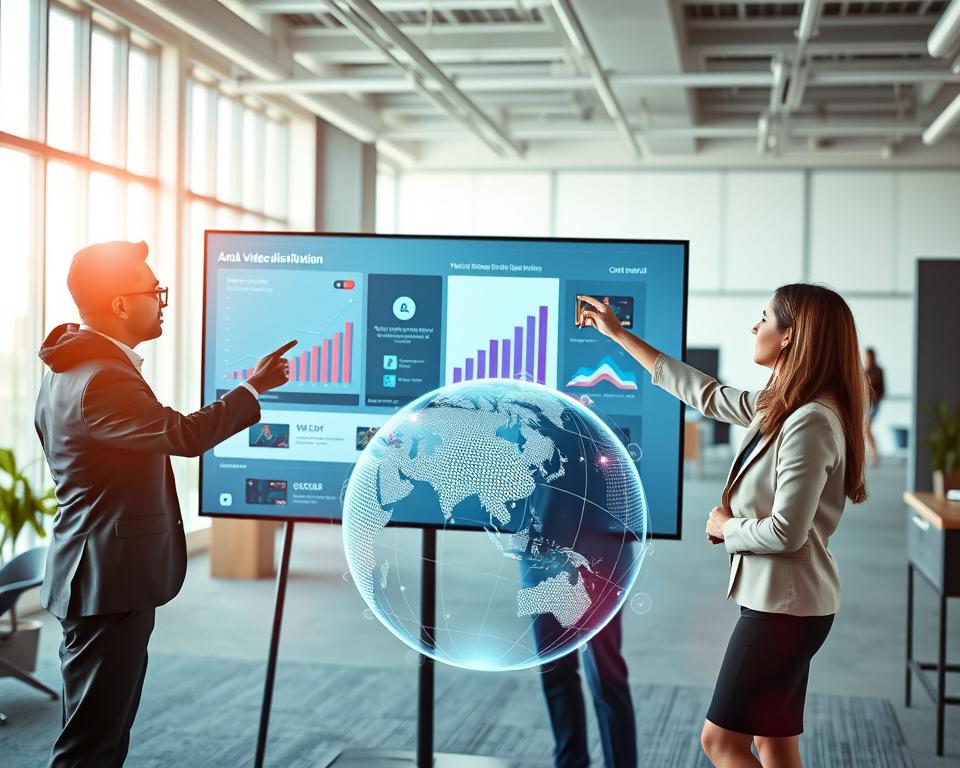
To optimize my video distribution, I must reformat my content for each platform. This might mean editing YouTube videos into shorter clips for Instagram. I also need to create platform-specific thumbnails and titles.
Timing Your Posts for Maximum Impact
The timing of my posts is very important. By scheduling my videos when my audience is most active, I can boost visibility and engagement.
To do this, I use automation tools like Hootsuite or Buffer to schedule my posts. These tools help me plan my content calendar, ensuring consistency and maximizing reach.
Also, analyzing my audience’s engagement patterns with YouTube Analytics and other platform insights helps me refine my timing. This further enhances my video’s impact.
Engaging with Your Audience
Connecting with my audience is essential for a loyal YouTube following. It helps build a community around my content. This makes it more appealing and increases its reach.
Responding to Comments and Feedback
It’s important to respond to comments and feedback. It shows I value my viewers’ opinions and care about their concerns. This interaction strengthens the bond between me and my audience, building loyalty.
To effectively respond to comments, I should:
- Acknowledge every comment, whether positive or negative.
- Provide helpful responses to questions or concerns.
- Show appreciation for feedback, using it to improve future content.
Encouraging Viewer Interaction
Encouraging viewer interaction is key to engaging my audience. I can do this by asking questions, requesting feedback, or asking viewers to share their experiences related to the content.
Some effective ways to encourage interaction include:
| Strategy | Description | Benefit |
|---|---|---|
| Asking Questions | Pose questions related to the video content. | Increases engagement and sparks discussions. |
| Requesting Feedback | Ask viewers for their thoughts on the content. | Provides valuable insights for future improvements. |
| Sharing Personal Experiences | Encourage viewers to share their stories or experiences. | Creates a sense of community among viewers. |
By using these strategies, I can improve audience engagement. This leads to a more loyal and interactive community.
Keeping Up with Trends
The world of YouTube video distribution is always changing. It’s important to keep up with the latest trends. These trends can greatly affect how we watch and share videos.
Industry Changes
It’s key to follow industry changes for streamlining YouTube distribution. This means knowing about algorithm updates, new features, and how users behave. By staying informed, creators can keep their content visible and engaging.
For example, YouTube’s algorithm changes can impact how videos are shown. Creators who know about these updates can adjust their content and plans to stay relevant.
Adapting Your Content Strategy
It’s vital to update your content strategy with the latest trends. This might mean using new formats like live streaming or interactive content.
Automated content distribution is also important. It helps creators share their content on many platforms easily. This keeps their audience engaged.
| Trend | Impact on Distribution | Adaptation Strategy |
|---|---|---|
| Algorithm Updates | Affects video ranking and visibility | Adjust content to comply with new algorithms |
| New Content Formats | Changes in user engagement patterns | Incorporate new formats into content strategy |
| Platform Shifts | Changes in where content is consumed | Diversify distribution channels |
By keeping up with changes and adapting, creators can keep their YouTube strategy effective. They can stay in line with the latest trends.
Future of Video Distribution Automation
Looking ahead, AI and machine learning will greatly impact video distribution automation. This will make automating YouTube video distribution more precise and personalized. It will change how we share videos online.
Advancements in AI and Machine Learning
AI and machine learning will help creators understand their audience better. They can analyze huge amounts of data to make their videos more engaging. This technology will predict what viewers like, making video distribution smarter.
Video Marketing Trends
Video marketing will become more interactive and immersive. Brands will use AI to create personalized content. This will make viewers more engaged and loyal. Keeping up with these changes will be key to success in the digital world.